
Ayurvedic Solutions for Joint Problems: A Holistic Approach to Healing
Ayurvedic Solutions for Joint Problems – A Holistic Approach to Healing One of the major health-related issues that
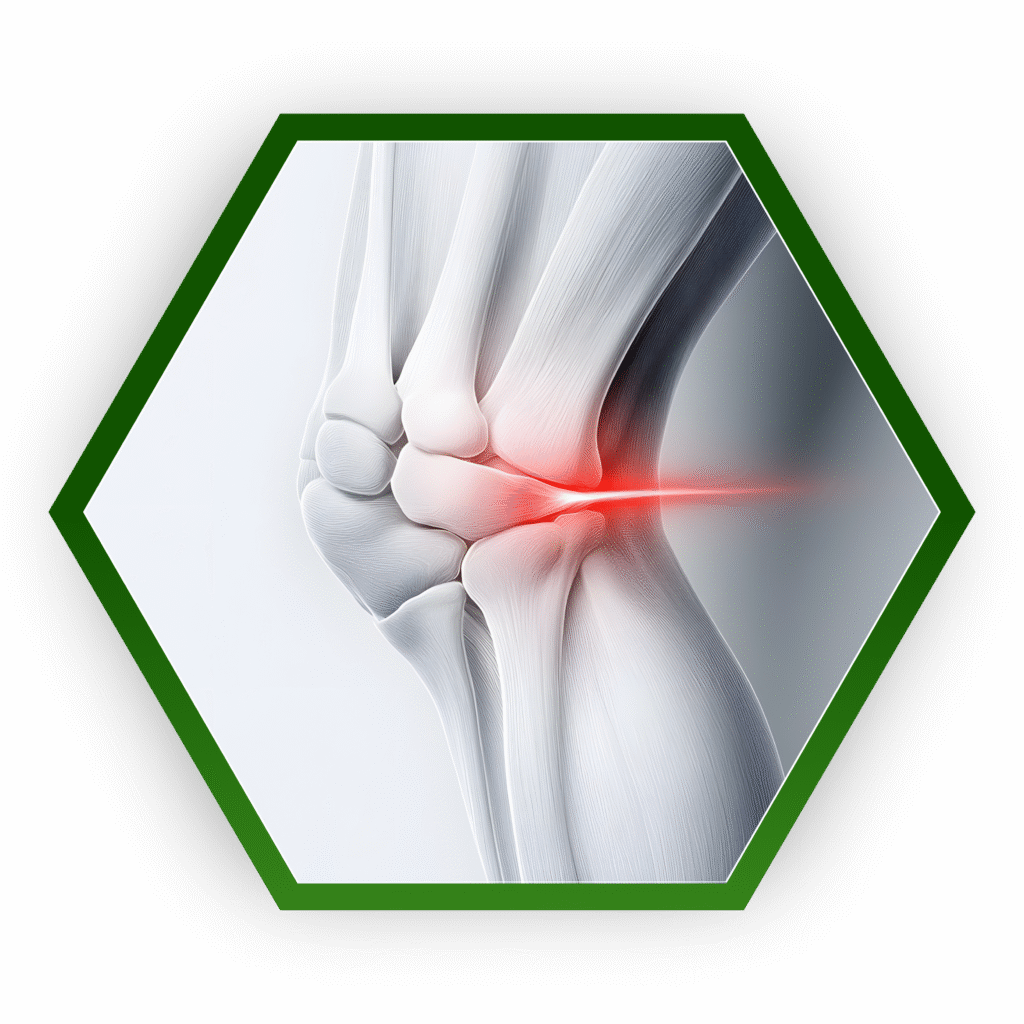
One of the major health-related issues that people of every age suffer from is problems with the joints. Considering it as pain, stiffness, inflammation, or limited mobility, joint discomfort can significantly affect the quality of one’s life. While conventional medicine often relies on pharmaceuticals to manage symptoms, many people turn to Ayurveda for a more natural, holistic approach to joint health.
In Ayurveda, the traditional system of medicine that originated in India thousands of years ago, joint problems are a consequence of an imbalance of the doshas-Vata, Pitta, and Kapha-of the body, along with the gathering of toxins. Ayurvedic remedies for joint pain work to restore balance within the body and, as such, treat the root cause of the imbalance.
In Ayurveda, the three main energies or doshas of the body, namely Vata, Pitta, and Kapha, each govern a different aspect of bodily and mental functioning. For perfect health, these doshas have to be maintained in their state of equipoise. When one of these doshas becomes imbalanced, it can give rise to various disorders, including disorders affecting the joints.
Vata dosha governs movement, so its imbalance is commonly associated with conditions such as arthritis, bursitis, and general pain in the joints. If Vata is increased, it brings dryness, cracking, and then pain into the joints. Pitta dosha: Pitta regulates digestion, metabolism, and inflammation. When Pitta is in excess, it will cause inflammatory conditions like rheumatoid arthritis, where the dominating features in the joints are heat and swelling. Kapha: Kapha controls structure and lubrication in the body. When Kapha is imbalanced, it results in stiffness and fluid retention in the joints, leading to conditions like osteoarthritis. Problems in the joints, as explained in Ayurveda, are very often a result of a buildup of Ama. Ama results from incorrect digestion of food, unhealthy diet, and bad living habits, eventually giving rise to waste products that are poisonous and accumulate within the tissues and joints. This depresses the normal flow of energy and might cause inflammation, pain, and stiffness.
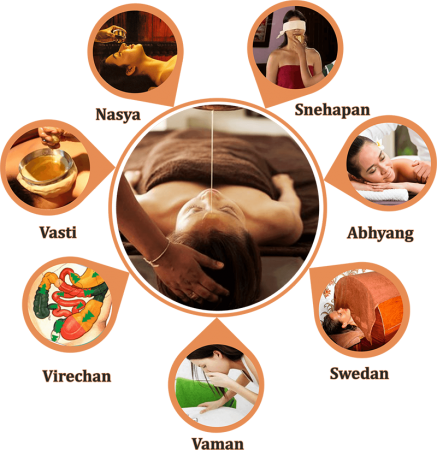
Osteoarthritis: The chief cause for OA in Ayurveda is considered to be an imbalance in Vata. It is because the Vata dosha, which controls movement and lubrication, when agitated, causes wear and tear of the cartilage, leading to pain, stiffness, and loss of mobility within the joints.
RA is considered a Pitta imbalance. It is an autoimmune disorder that is essentially characterized by inflammation and swelling within the joints. In Ayurveda, excessive Pitta means heat and inflammation that leads to the breakdown of tissues and joints.
Gout: Gout is a type of arthritis that results from an accumulation of uric acid crystals in the joints, especially the big toe. This is related to the Kapha imbalance, during which the body retains excess fluid and waste products, leading to inflammation in the joints.
Bursitis and Tendonitis: These usually occur when Vata and PittaDosha get aggravated and cause dryness, inflammation, and over-use of the joints, leading to pain and swelling.
From dietary and lifestyle changes to herbal treatments and therapies that balance the doshas,
Ayurveda offers a wide range of remedies for joint health. Some of the core principles of Ayurveda supporting joint health include the following:
Anti-inflammatory foods: These include foods such as turmeric, ginger, garlic, leafy vegetables, and berries. These foods aid in decreasing inflammation and further promote joint function.
Healthy fats: Ghee, sesame oil, and olive oil are great sources of healthy fats that can help grease the joints and reduce pain and stiffness.
Avoid processed foods: Foods that are commercially prepared, including refined sugars and fried foods, produce Ama, which eventually deposits in the joints, leading to pain and inflammation. Instead, focus on whole, organic food items.
Warm, cooked foods: According to Ayurveda, warm and easily digestible foods help maintain good joints. Avoid raw and cold foods; they increase Vata.
For centuries, Ayurvedic herbs have been used to treat joint-related issues and reduce inflammation. Some of the most effective herbs for joint health include:
Ashwagandha: Through its anti-inflammatory and analgesic properties, Ashwagandha helps in pain reduction and reduces stiffness in the joints. It is also used for general strength and vitality
Ayurvedic Solutions for Joint Problems – A Holistic Approach to Healing One of the major health-related issues that
Kashi Ayurvedic is an Ayurvedic center that provides effective Ayurvedic treatment for spinal and joint diseases without any surgery.
© 2023 Created with Kashi Ayurvedic